

How AI Doctors Will Transform Personal Health Tracking | Safe and Sound
We live in an era where phones can remind us of meetings, AI can assist with report writing, and cars can automatically warn of collisions. But when it comes to health—the most important thing for everyone—most of us only start paying attention when our bodies show unusual symptoms.
This is gradually changing thanks to the development of AI in the healthcare field. Concepts like AI doctors monitoring health are no longer a distant prospect but are gradually becoming a part of daily life. From monitoring heart rate and sleep to analyzing long-term health trends, AI is opening up a completely new approach: proactive health monitoring instead of waiting for illness to appear.
What is an AI doctor?
When people hear the term "AI doctor," many often think of a system that can completely replace human doctors. In reality, this has not happened yet and is not the main goal of current technology.
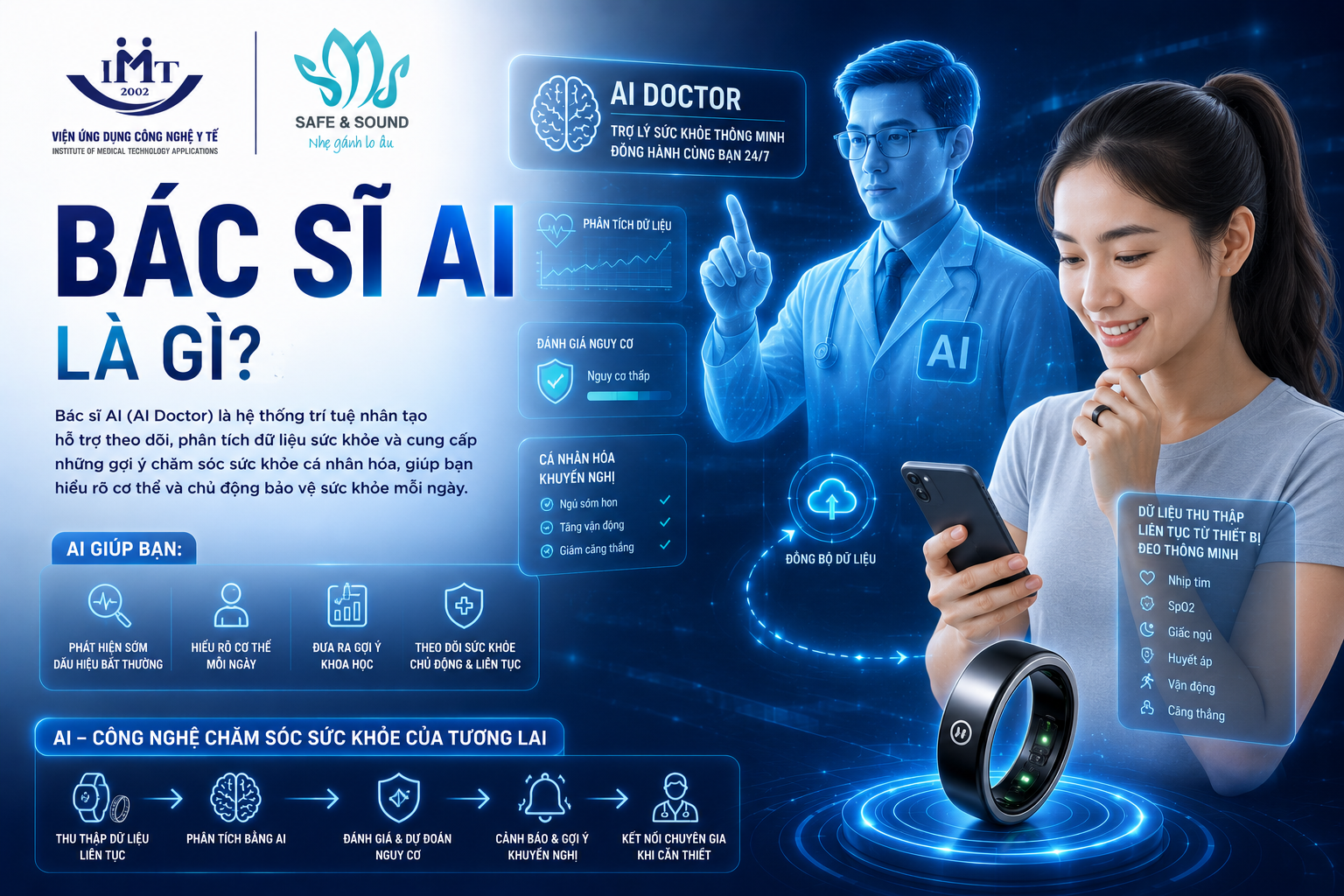
AI doctors are artificial intelligence systems developed to assist in analyzing health data, identifying abnormalities, and providing healthcare recommendations based on continuously collected data.
Instead of replacing medical professionals, AI doctors act as intelligent health assistants, helping users better understand their bodies each day.
Thanks to its ability to process large amounts of data in a short time, AI can identify subtle changes that are very difficult for humans to detect through ordinary observation.
Why are traditional healthcare models revealing their limitations?
For many years, the most common way to check one's health was to go to a hospital or clinic when feeling unwell. However, this approach had a major problem: health data was only recorded at a specific point in time.
For example:
- Blood pressure may be normal at the time of examination but frequently rises at night.
- Heart rate may be stable in the clinic but fluctuates abnormally during stress.
- Sleep quality deteriorated over several months, but users didn't even realize it.
This leads to many early warning signs being missed. That's also why the healthcare technology industry is shifting to a continuous monitoring model, where data is collected daily instead of only appearing during routine checkups.
How does an AI health assistant work?
An AI health assistant is not simply an app that displays health metrics on a phone screen. It's a system built to collect, analyze, and interpret health data in real time, helping users better understand their daily physical condition.
Essentially, an AI health assistant typically operates based on three main steps: data collection, data analysis, and providing appropriate alerts or recommendations.
Collecting continuous health data
The first and most crucial step in an AI system is collecting health data. Without complete and accurate data, AI will be unable to provide valuable analyses.
Today, health data is recorded through various smart wearable devices, such as
- Smart Ring
- Smartwatch
- Health tracking bracelet
- Specialized home measuring equipment
- Connected sensors in the digital health ecosystem
These devices function as compact "observation stations," continuously recording the body's biological signals throughout the day instead of just measuring at a single fixed point in time.

Depending on the device, the system can monitor several important health metrics, such as
- Heart rate
- SpO2 (blood oxygen saturation)
- Blood pressure
- Sleep quality
- Number of steps and activity level
- Calories burned
- Stress level
- The body's ability to recover after exercise.
The biggest difference between modern health tracking devices and traditional measurement methods lies in continuity. Instead of only knowing their metrics at a specific point in time, users can build a comprehensive picture of their health through data recorded over many consecutive days, weeks, or even months.
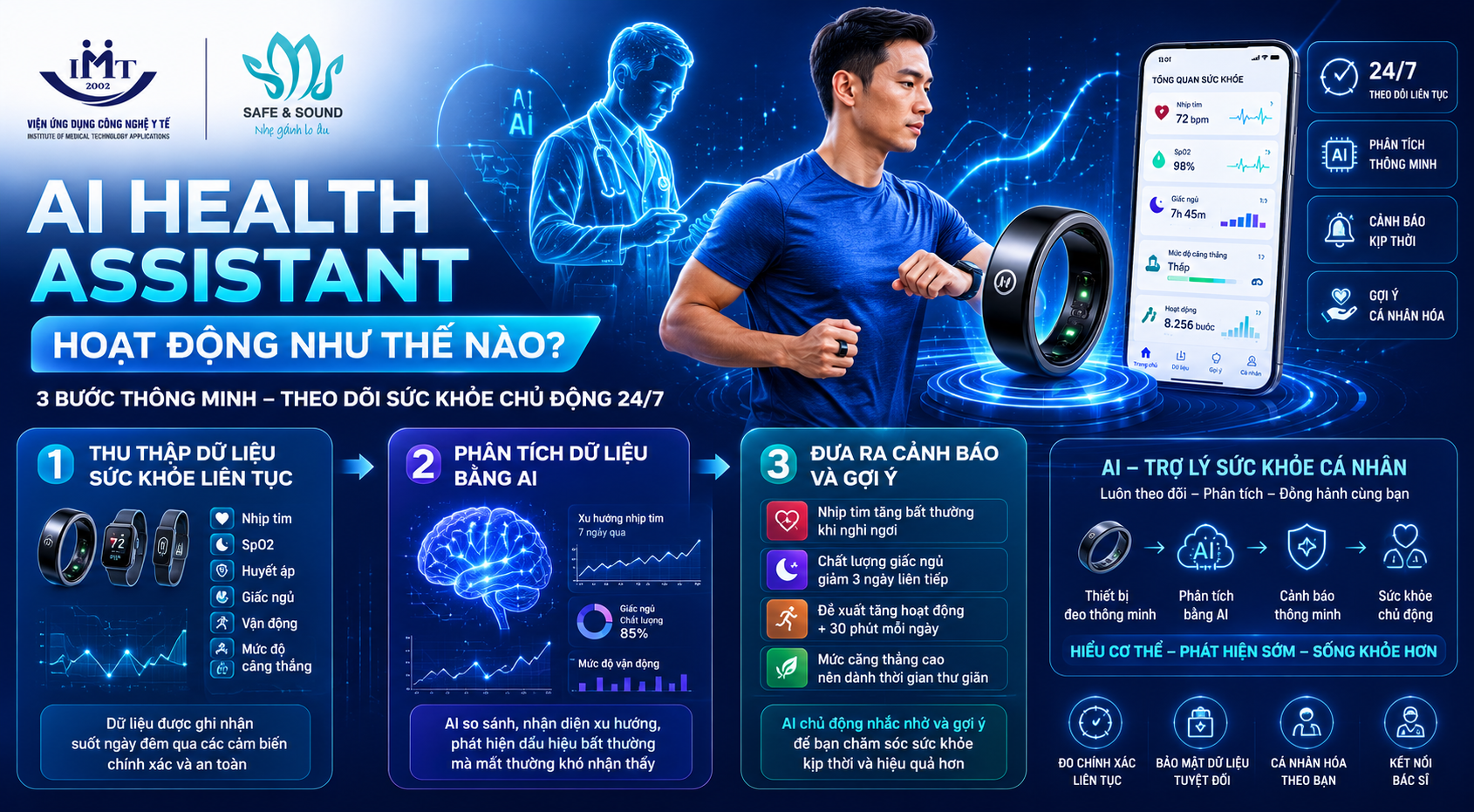
Data analysis using AI
Once the data is collected, the AI begins its most important task: analyzing and uncovering the meaning behind the numbers.
Typically, users find it difficult to recognize health trends by looking at individual metrics. For example, a few extra beats per day in heart rate might not seem significant. However, if your resting heart rate increases consistently over several weeks, it could signal stress, lack of sleep, or an underlying health problem.
AI has the ability to process thousands of data points in a short amount of time to find patterns of change that are difficult for the naked eye to detect.
For example, the system might detect the following:
- Resting heart rate gradually increases over several consecutive weeks.
- Sleep quality deteriorates even though sleep duration remains unchanged.
- The level of physical activity is significantly lower than usual.
- SpO₂ levels show abnormal fluctuations during sleep.
- Signs of prolonged stress affect the body's ability to recover.
Beyond simply analyzing current data, AI can also compare it to an individual's health history to assess changes over time. This allows for more personalized health monitoring, rather than applying the same standards to everyone.
This is also why AI health assistants are increasingly seen as "digital health assistants," capable of monitoring and learning from each user's own body.
Provide personalized health alerts and recommendations.
After completing the analysis process, AI will transform the data into easily understandable and useful information for users. Instead of displaying a series of complex charts, the system will automatically summarize notable changes and provide warnings when necessary.
For example:
- Warning when heart rate exceeds normal levels.
- Remind yourself to rest when your body shows signs of overload.
- Receive notifications when sleep quality deteriorates over several consecutive days.
- It is recommended to increase physical activity if your activity level is lower than normal.
- Suggestions for adjusting lifestyle habits based on personal health data.
As a result, users no longer need to spend time manually analyzing a multitude of numbers every day. AI acts as a companion, continuously observing, evaluating, and providing reminders to make proactive health monitoring simpler.
The future: AI will not only monitor but also accompany doctors.
The new trend in healthcare technology is not for AI to replace doctors, but rather to create a combination of artificial intelligence and medical expertise.
In this model, AI is responsible for continuously monitoring health data 24/7, detecting abnormalities, and compiling important information. Doctors or healthcare professionals will then use this data to conduct in-depth assessments and provide appropriate advice.
The combination of AI, smart wearables, and a team of experts is creating a new healthcare ecosystem where everyone can proactively monitor their health while they are still healthy, instead of waiting until illness develops.
5 ways AI doctors could change personal health monitoring in the future.
For many years, healthcare primarily occurred when the body showed abnormal signs or when users proactively sought routine checkups. However, the development of AI doctors is opening up a completely new approach, where health data is continuously monitored and analyzed in real time.
Beyond helping users better understand their bodies, AI doctors have the potential to change how we prevent disease, manage health, and connect with healthcare systems in the future.
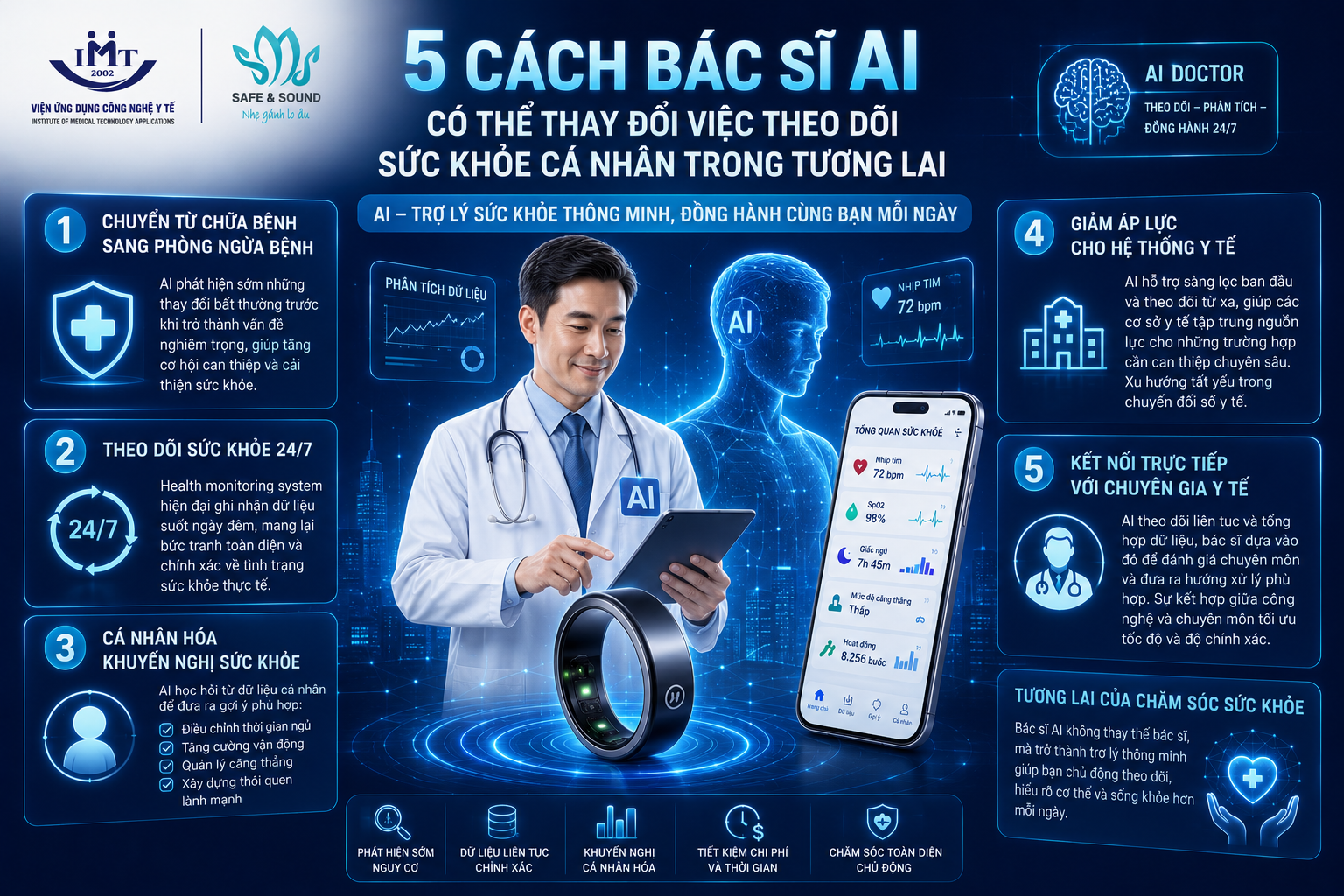
1. Shift from treating disease to preventing disease.
This is considered the most significant change that AI brings to the healthcare industry. Instead of waiting until the body shows clear symptoms before starting a check-up, AI can help detect abnormal changes very early through continuously collected data.
For example, small fluctuations in heart rate, sleep quality, or activity levels over a long period can be early warning signs that users may not recognize. Early detection increases the chances of timely intervention, thereby limiting the risk of developing more serious health problems.
2. 24/7 Health Monitoring
Humans cannot monitor their own bodies all the time. However, AI, combined with modern health monitoring systems, can accomplish this.
Through smart wearable devices such as smart rings or smartwatches, health data is continuously recorded around the clock without disrupting daily activities. This allows users to gain a more comprehensive picture of their health status instead of relying solely on individual measurements.
3. Personalized health recommendations
Everyone has different physical conditions, lifestyle habits, and health goals. Therefore, advice that works for one person may not work for another.

The strength of AI doctors lies in their ability to learn from personal data to provide personalized recommendations. From adjusting sleep schedules and increasing physical activity to managing stress and building healthy lifestyle habits, recommendations can be individualized based on actual health history.
4. Reduce pressure on the healthcare system.
When AI assists in remote health monitoring and initial screening, healthcare facilities can focus resources on cases requiring more intensive intervention.
This not only helps optimize healthcare resources but also supports people in accessing healthcare services more quickly and conveniently. This is also one of the directions that many countries are promoting in the digital transformation of the healthcare sector.
5. Connect directly with healthcare professionals.
The future of healthcare technology extends beyond simply collecting and analyzing data. The new trend is building an ecosystem that connects AI with a team of medical professionals.
In this model, AI plays a role in continuous monitoring, detecting abnormalities, and aggregating health data. Doctors or healthcare professionals will use this information to conduct in-depth assessments and provide appropriate advice. The combination of technology and medical expertise promises to deliver a more efficient, faster, and more accurate healthcare experience in the future.
What role will smart wearable devices play in the AI health ecosystem?
An AI system is only truly effective when it has quality input data.
That's why smart wearable devices are becoming a crucial link in the digital health ecosystem.
Devices like smart rings can:
- Continuous heart rate monitoring
- Measure SpO₂
- Sleep tracking
- Record the level of activity.
- Collect long-term health data.
This data is then synchronized with the AI platform to create a comprehensive proactive health monitoring system.
Instead of just knowing whether they are healthy or not, users can gain a clear understanding of how their bodies are changing over time.
Conclude
Health doesn't change overnight, and most serious problems start with very small signs. In the future, AI doctors and AI health assistants could help individuals be more proactive in monitoring their bodies, detecting risks early, and building healthy lifestyles based on real-world data.
When combined with smart wearable devices and modern health monitoring systems, AI is not simply a new technology. It could be a crucial step in transforming how people care for their health—from passive to proactive, from reactive to preventative.
And perhaps in the not-too-distant future, "AI doctors monitoring health" will become familiar companions for every family on their journey to living healthier lives every day.
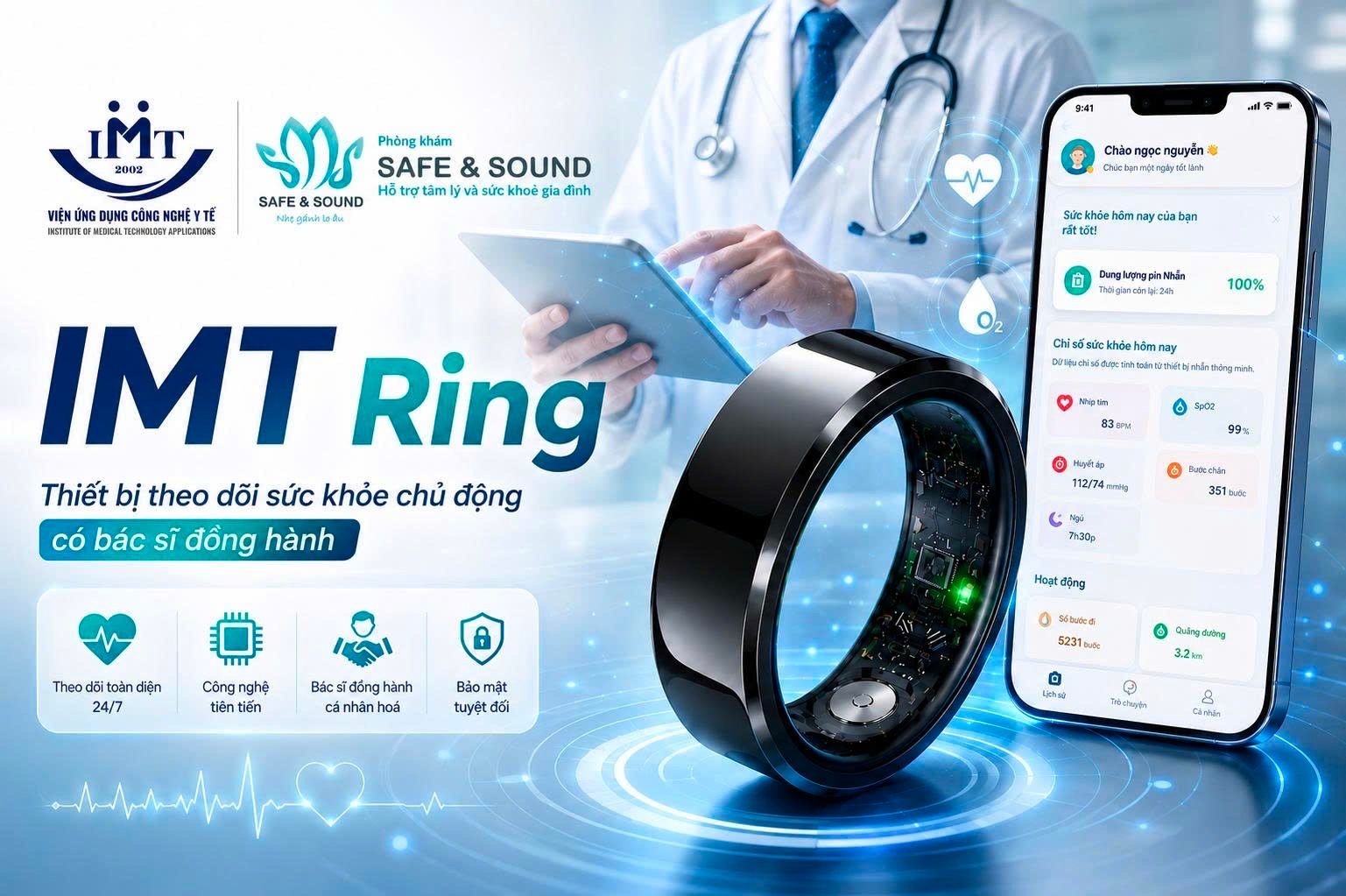
Developed with the vision of a "proactive health monitoring device with a doctor's support," the IMT Ring not only supports monitoring metrics such as heart rate, SpO2, blood pressure, and sleep, but also aims to build a comprehensive healthcare ecosystem. Through its integrated AI technology platform and expert connectivity, users can easily monitor, manage, and better understand their health status every day.
If you're looking for a solution that helps you proactively monitor your health in a simpler and more convenient way in modern life, the IMT Ring could be a worthwhile option to start your health care journey with even the smallest changes each day.
